The Hidden Skill Behind Every Expert
Expertise is less about memorizing information and more about recognizing patterns. Compression, semantic search, and pattern transfer explain why learning gets easier the more you learn.
The Hidden Skill Behind Every Expert
Most people believe learning is about collecting information.
Read another book.
Watch another course.
Take more notes.
Memorize another framework.
It feels productive.
But if you've ever watched someone become exceptional at something, you'll notice something strange.
They don't necessarily remember more than everyone else.
They simply see differently.
That's because expertise isn't built on memorization.
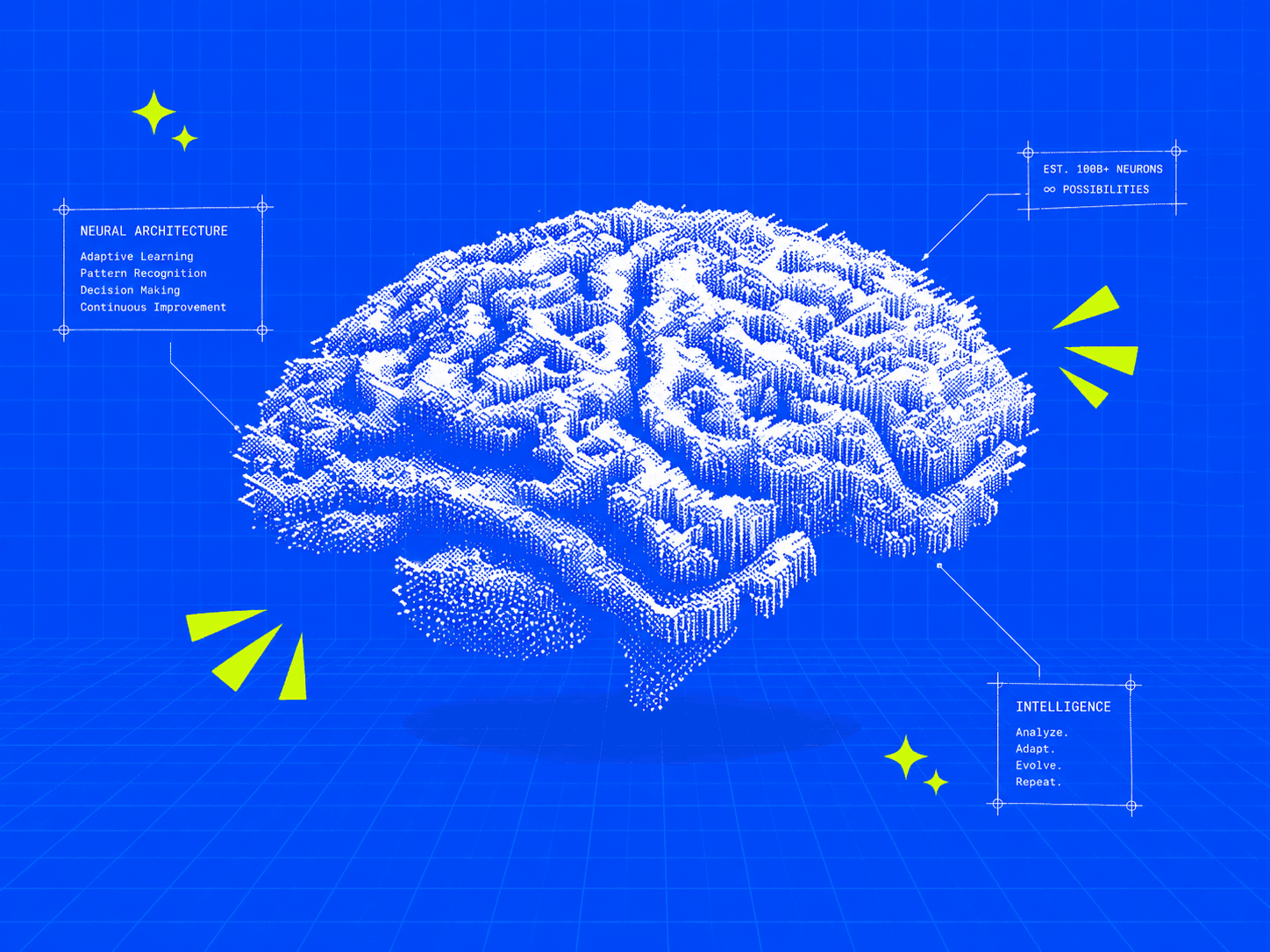
It's built on pattern recognition.
And once you understand that, you'll realize something even more powerful:
Your first skill isn't just teaching you that subject.
It's teaching you how to learn everything else.
Two Chess Players
Imagine two chess players sitting across from each other.
The first has memorized ten thousand famous games.
Every opening.
Every move.
Every ending.
The second has studied far fewer games.
Yet...
He wins.
Why?
Because somewhere along the way, he stopped seeing individual pieces.
He stopped calculating isolated moves.
Instead, he started seeing structures.
A weak king.
A vulnerable pawn chain.
A dangerous diagonal.
A familiar imbalance.
Thousands of positions slowly compressed into a handful of recognizable patterns.
This is the first shift that separates beginners from experts.
Compression: The Brain's Superpower
Think about learning to read.
At first, every letter demands attention.
C.
A.
T.
Cat.
Years later, you don't read letters anymore.
You barely read individual words.
You recognize complete ideas.
Your brain quietly compresses enormous amounts of information into meaningful chunks.
Chess works this way.
Programming works this way.
Music works this way.
Medicine works this way.
Experts aren't storing more information.
They're storing better representations of information.
Instead of remembering thousands of isolated facts...
They remember a few hundred powerful patterns.
Why Beginners Feel Slow
Beginners often think experts are simply smarter.
Usually, they're processing less.
When you first learn programming, every line matters.
Variables.
Functions.
Loops.
Syntax.
Brackets.
Semicolons.
Everything demands attention.
Months later, those details disappear.
Instead, you immediately recognize:
- Authentication
- Caching
- Observer pattern
- State management
- Dependency injection
You stop thinking in code.
You start thinking in concepts.
Compression doesn't reduce knowledge.
It increases understanding.
The Search Engine Inside Your Brain
Compression alone isn't enough.
You also need to retrieve the right knowledge at the right time.
Imagine our chess player sitting in front of a position he's never seen before.
Within seconds...
A memory appears.
Not because the position is identical.
Because it's similar.
This is how human memory actually works.
Your brain doesn't search like folders on a computer.
It searches through meaning.
One bug reminds you of another.
One customer conversation reminds you of a previous startup.
One architectural problem reminds you of an old system you built years ago.
Tiny clues activate entire networks of experience.
This is semantic search.
Why Experience Feels Like Intuition
People often describe experts as having intuition.
But intuition isn't magic.
It's compressed experience retrieved almost instantly.
A senior engineer looks at a pull request.
Thirty seconds later they say,
"This will become technical debt."
How?
Not because they can predict the future.
Because they've already lived through similar mistakes.
Experience isn't about remembering every detail.
It's about recognizing familiar structures.
Templates Beat Reinvention
Experts almost never begin from zero.
Beginners create.
Experts adapt.
Every experienced engineer has built a library of reusable templates.
Architecture templates.
Debugging templates.
Communication templates.
Leadership templates.
Decision-making templates.
Every new challenge begins with a familiar thought:
"I've seen something like this before."
Instead of solving problems from scratch...
They modify proven solutions.
That's dramatically faster.
Not because they skip thinking.
Because they've already done the difficult thinking years earlier.
Pattern Transfer: The Highest Level of Learning
Now imagine that same chess player quits competitive chess.
A few years later...
He starts a YouTube channel.
Surprisingly...
He's good almost immediately.
Not because chess taught him filmmaking.
Because chess taught him patterns.
Timing.
Attention.
Structure.
Tension.
Release.
Those same principles exist everywhere.
Great stories build tension.
Great startups build tension.
Great presentations build tension.
Great movies build tension.
Different field.
Same pattern.
This ability to carry ideas from one discipline into another is called pattern transfer.
It's one of the rarest and most valuable skills you can develop.
Why Learning Gets Easier Over Time
Have you ever noticed that great learners seem to accelerate?
Their first skill took years.
Their second took months.
Their third took weeks.
Why?
Because they stopped learning isolated subjects.
Instead, they started recognizing recurring ideas.
Feedback loops.
Trade-offs.
Constraints.
Systems.
Networks.
Everything begins looking strangely familiar.
Knowledge compounds.
But patterns compound even faster.
AI Changes the Cost of Information
Today, information is almost free.
AI can explain complex topics.
Generate code.
Summarize books.
Write documentation.
Produce answers instantly.
Information is no longer scarce.
Understanding is.
The competitive advantage isn't access to knowledge anymore.
It's recognizing which knowledge matters.
AI can generate answers.
Only you can decide which answers fit the problem.
That's why judgment is becoming more valuable, not less.
Your First Skill Is Secretly Building Every Future Skill
This is why your first serious pursuit always feels overwhelming.
Whether it's programming.
Writing.
Music.
Design.
Research.
Chess.
Or filmmaking.
You're doing more than learning a discipline.
You're building the machine that will learn every discipline after it.
You're teaching your brain:
- How to compress information.
- How to retrieve it efficiently.
- How to recognize recurring structures.
- How to transfer patterns between different worlds.
Once that machine exists...
Learning no longer feels like starting over.
Every new field becomes another variation of something you've already seen.
The vocabulary changes.
The tools change.
But the patterns stay remarkably similar.
Final Thoughts
Most people chase information.
The best learners chase patterns.
Information fills your memory.
Patterns reshape your perception.
And once your perception changes...
The world starts looking different.
Problems become familiar.
Ideas connect naturally.
Learning accelerates.
Experts don't know everything.
They simply recognize more than everyone else.
That's the hidden skill behind every expert.
And once you begin training it...
You're no longer just learning new things.
You're becoming better at learning itself.